employers sue over non-compete violations
Can employers sue over non-compete violations? This is a question that often arises when employees leave their jobs and pursue new opportunities. A Non-Compete Clause is designed to prevent former workers from joining a competitor, starting a rival business, or participating in professional activities that could threaten the employer’s business interests. Employers use these clauses to protect confidential information, trade secrets, and established client relationships. However, when an employee’s next step triggers a potential violation, companies sometimes consider taking legal action.
Whether an employer can sue typically depends on the enforceability of the Non-Compete Clause. Laws differ by region, and not all clauses are automatically valid. For a lawsuit to be successful, the clause must be reasonable and necessary to protect legitimate business interests. Courts will evaluate factors such as duration, geographic reach, and the type of work being restricted. If the clause is overly broad—for example, banning the employee from working in the same industry anywhere in the world for an excessively long period—it may be ruled unenforceable. Employers who try to sue under such a clause may waste money and time in court.
When a Non-Compete Clause is valid and reasonable, employers do have the legal right to sue for violations. Lawsuits commonly seek remedies such as injunctions, which are court orders requiring the employee to stop engaging in certain activities immediately. Employers may also seek monetary damages if they can prove that the violation caused financial harm, such as lost clients or reduced revenue. In rare cases, employers may pursue compensation from a new employer if it knowingly encouraged or benefited from the breach.
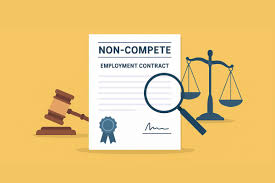
Can employers sue over non-compete violations?
That said, legal action is not always the first step. Many companies prefer resolving disputes outside of court, because lawsuits can be costly and risky. Sometimes employers simply send a warning letter to the individual or their new employer to reinforce the terms of the agreement. If both parties are willing to negotiate, compromises such as adjusting project duties or limiting contact with certain clients can help avoid further conflict. However, if the employer believes a serious business threat exists—especially involving trade secrets or competitive client targeting—the likelihood of filing a lawsuit increases.
Employees facing potential accusations of violating a Severance package review services should not ignore the situation. The best approach is to review the contract and seek professional legal advice before responding. It is also wise to maintain documentation showing that no confidential information or client solicitation has occurred. In many cases, demonstrating that your new work activities do not directly compete can help resolve the matter before it escalates. Employees should also be aware that some jurisdictions prohibit non-compete agreements for certain workers or industries, which can significantly affect the outcome of a dispute.
So, can employers sue over non-compete violations? Yes, they can, but whether they will succeed depends on many factors, including the fairness of the clause and the nature of the violation. A properly drafted Non-Compete Clause can provide employers with legal protection, whereas an overly broad restriction may offer no enforceable grounds for a lawsuit. For both employers and employees, understanding the terms and limits of non-compete agreements is essential to avoid unnecessary legal conflicts and safeguard business and career interests alike.